✨ New Arrivals Just Dropped!Explore

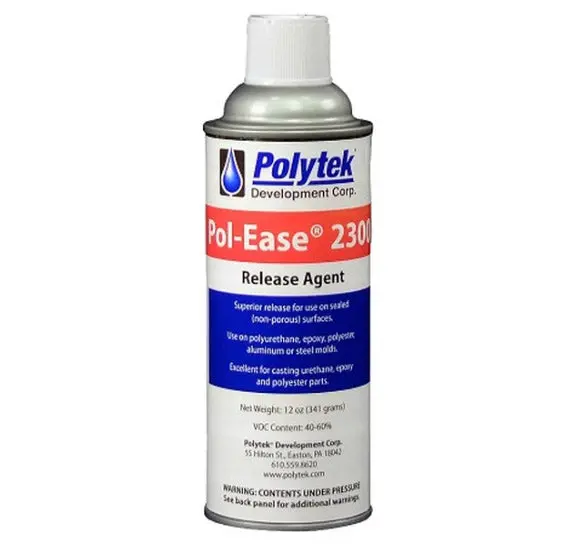
Pol-Ease 2300 Aerosol Release for Molds
Polytek Pol-Ease 2300 Aerosol Release
- A multi-purpose silicone release agent made of a blend of silicone oils and resins in a convenient aerosol spray can.
- Pol-Ease 2300 is an effective release for most Polytek products, including PolyUrethane Rubbers and Plastics.
- Pol-Ease 2300 should NOT be used before pouring or brushing Liquid Silicone Mold Rubber - in this case Pol-Ease 2500 (sold separately) is the proper choice.
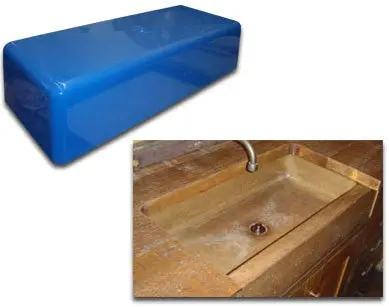
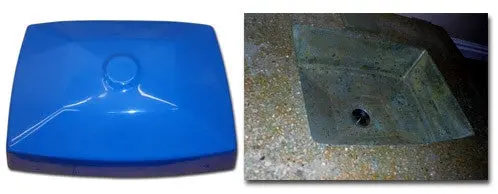
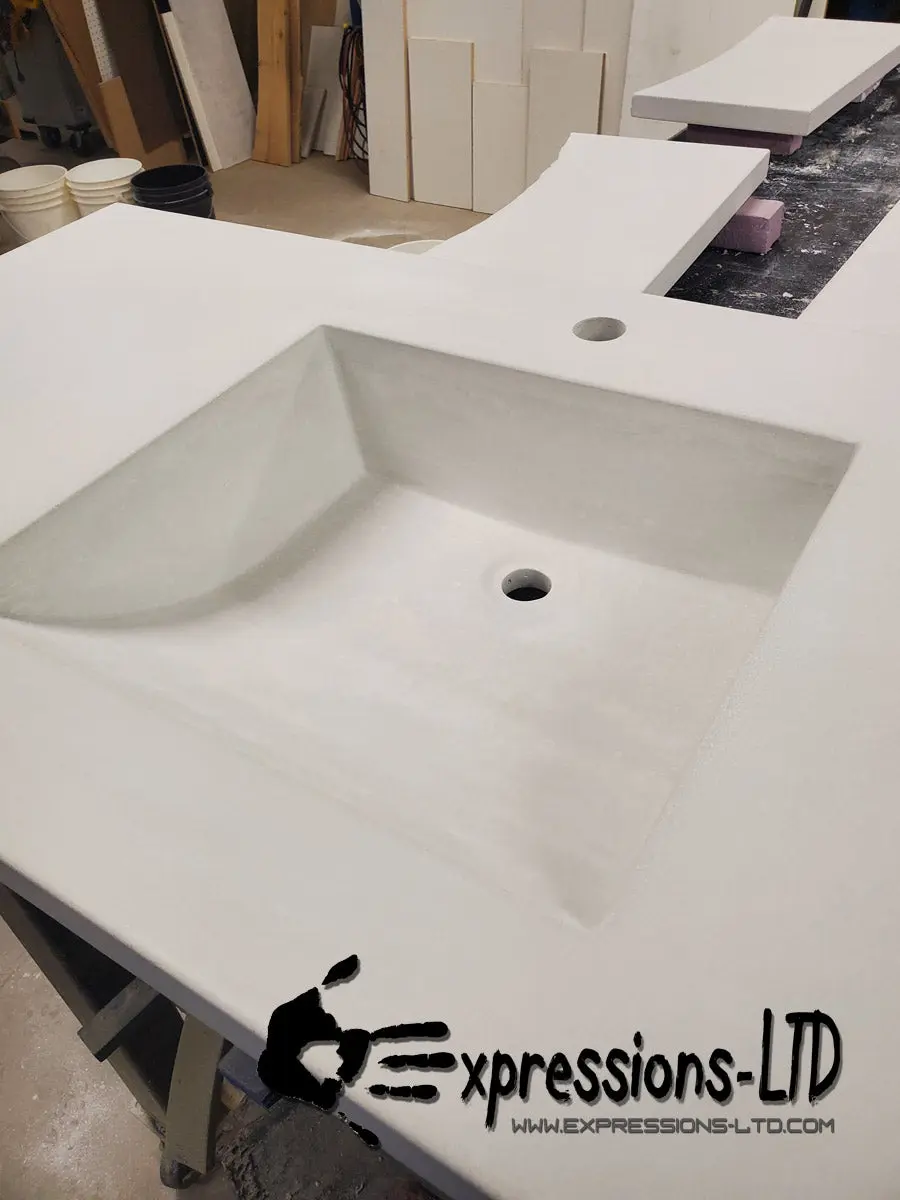
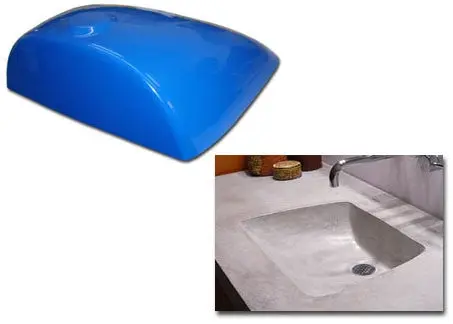
- Pol-Ease 2300 will effectively work as a release to prevent concrete from sticking to the mold, but will usually create a 'shiny' surface to the finished concrete. Pol-Ease 2650 (sold separately) is the ideal release for concrete casting.
- Brushing out the release with a soft brush can improve results- lightly spray the tip of the brush with the release, and then softly 'paint' over the molding surfaces that has just had the release sprayed onto.
- Avoid over-applying release- too much can cause air pockets and surface defects in the mold.
- Available in single 12oz aerosol spray cans, or in a case of 12 cans.
- Download: Polytek Pol-Ease Release Technical Data Sheet: TDS.
Application Pol-Ease 2300 Aerosol Release for Molds
- A silicone-based release agent, comes in an aerosol can. It should be shaken, sprayed (using the supplied spray straw to make a more uniform mist) then brushed out onto a sealed or non-porous model before applying liquid polyurethane mold rubber. Pol-Ease® 2300 Release Agent is NOT recommended for use when making silicone molds as inhibition or sticking may occur. Once a polyurethane mold is made, Pol-Ease® 2300 Release Agent can also be applied to its surface to release casting materials such as polyurethane liquid plastics, rubbers or epoxies. Pol-Ease® 2300 Release Agent can also be used as a release for stickier foundry waxes, concrete and more.
- Pol-Ease® 2300 Release Agent needs to be washed off of cast parts thoroughly before they can be painted, stained, or finished. Pol-Ease® 2300 Release Agent can be cleaned with repeated washings of water and detergent or some citrus degreasers. All paints and stains bond differently to surfaces, especially those previously coated with a release agent. Perform testing to determine if the release agent used will adversely affect this process. If Pol-Ease® 2300 Release Agent makes finishing your cast part difficult, Pol-Ease® 2500 Release Agent is a good option.
Videos
Pol Ease 2300 Used During Polyurethane Mold Making:Select Size
From $11.23
Original: $32.09
-65%Pol-Ease 2300 Aerosol Release for Molds—
$32.09
$11.23More Images
Pol-Ease 2300 Aerosol Release for Molds
Polytek Pol-Ease 2300 Aerosol Release
- A multi-purpose silicone release agent made of a blend of silicone oils and resins in a convenient aerosol spray can.
- Pol-Ease 2300 is an effective release for most Polytek products, including PolyUrethane Rubbers and Plastics.
- Pol-Ease 2300 should NOT be used before pouring or brushing Liquid Silicone Mold Rubber - in this case Pol-Ease 2500 (sold separately) is the proper choice.
- Pol-Ease 2300 will effectively work as a release to prevent concrete from sticking to the mold, but will usually create a 'shiny' surface to the finished concrete. Pol-Ease 2650 (sold separately) is the ideal release for concrete casting.
- Brushing out the release with a soft brush can improve results- lightly spray the tip of the brush with the release, and then softly 'paint' over the molding surfaces that has just had the release sprayed onto.
- Avoid over-applying release- too much can cause air pockets and surface defects in the mold.
- Available in single 12oz aerosol spray cans, or in a case of 12 cans.
- Download: Polytek Pol-Ease Release Technical Data Sheet: TDS.
Application Pol-Ease 2300 Aerosol Release for Molds
- A silicone-based release agent, comes in an aerosol can. It should be shaken, sprayed (using the supplied spray straw to make a more uniform mist) then brushed out onto a sealed or non-porous model before applying liquid polyurethane mold rubber. Pol-Ease® 2300 Release Agent is NOT recommended for use when making silicone molds as inhibition or sticking may occur. Once a polyurethane mold is made, Pol-Ease® 2300 Release Agent can also be applied to its surface to release casting materials such as polyurethane liquid plastics, rubbers or epoxies. Pol-Ease® 2300 Release Agent can also be used as a release for stickier foundry waxes, concrete and more.
- Pol-Ease® 2300 Release Agent needs to be washed off of cast parts thoroughly before they can be painted, stained, or finished. Pol-Ease® 2300 Release Agent can be cleaned with repeated washings of water and detergent or some citrus degreasers. All paints and stains bond differently to surfaces, especially those previously coated with a release agent. Perform testing to determine if the release agent used will adversely affect this process. If Pol-Ease® 2300 Release Agent makes finishing your cast part difficult, Pol-Ease® 2500 Release Agent is a good option.
Videos
Pol Ease 2300 Used During Polyurethane Mold Making:Product Information
Product Information
Shipping & Returns
Shipping & Returns
Description
Polytek Pol-Ease 2300 Aerosol Release
- A multi-purpose silicone release agent made of a blend of silicone oils and resins in a convenient aerosol spray can.
- Pol-Ease 2300 is an effective release for most Polytek products, including PolyUrethane Rubbers and Plastics.
- Pol-Ease 2300 should NOT be used before pouring or brushing Liquid Silicone Mold Rubber - in this case Pol-Ease 2500 (sold separately) is the proper choice.
- Pol-Ease 2300 will effectively work as a release to prevent concrete from sticking to the mold, but will usually create a 'shiny' surface to the finished concrete. Pol-Ease 2650 (sold separately) is the ideal release for concrete casting.
- Brushing out the release with a soft brush can improve results- lightly spray the tip of the brush with the release, and then softly 'paint' over the molding surfaces that has just had the release sprayed onto.
- Avoid over-applying release- too much can cause air pockets and surface defects in the mold.
- Available in single 12oz aerosol spray cans, or in a case of 12 cans.
- Download: Polytek Pol-Ease Release Technical Data Sheet: TDS.
Application Pol-Ease 2300 Aerosol Release for Molds
- A silicone-based release agent, comes in an aerosol can. It should be shaken, sprayed (using the supplied spray straw to make a more uniform mist) then brushed out onto a sealed or non-porous model before applying liquid polyurethane mold rubber. Pol-Ease® 2300 Release Agent is NOT recommended for use when making silicone molds as inhibition or sticking may occur. Once a polyurethane mold is made, Pol-Ease® 2300 Release Agent can also be applied to its surface to release casting materials such as polyurethane liquid plastics, rubbers or epoxies. Pol-Ease® 2300 Release Agent can also be used as a release for stickier foundry waxes, concrete and more.
- Pol-Ease® 2300 Release Agent needs to be washed off of cast parts thoroughly before they can be painted, stained, or finished. Pol-Ease® 2300 Release Agent can be cleaned with repeated washings of water and detergent or some citrus degreasers. All paints and stains bond differently to surfaces, especially those previously coated with a release agent. Perform testing to determine if the release agent used will adversely affect this process. If Pol-Ease® 2300 Release Agent makes finishing your cast part difficult, Pol-Ease® 2500 Release Agent is a good option.
Videos
Pol Ease 2300 Used During Polyurethane Mold Making: